How to Evaluate a Bamboo Skewer Supplier for Long-Term Supply
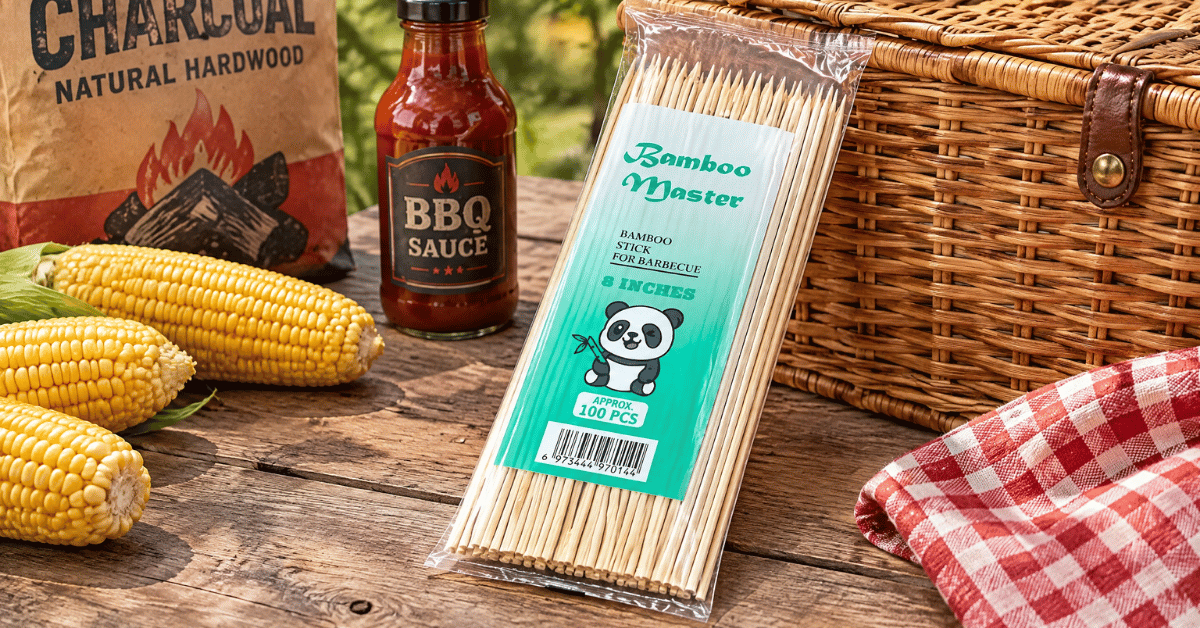
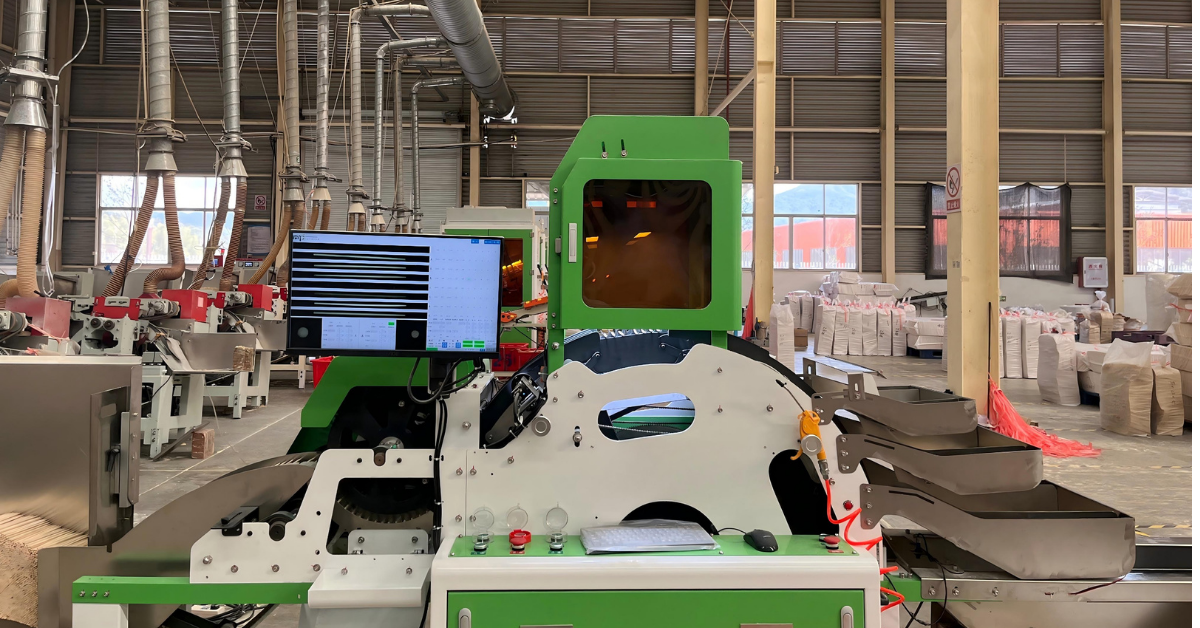
Almost any bamboo skewer supplier can send you a good-looking sample. The real test comes later: can they deliver the same diameter, the same moisture content, and the same documentation on order number twelve as they did on order number one? That gap between a good sample and a good supplier is where most sourcing decisions go wrong. The sections below walk through what importers, food brands, and distributors actually check before committing to bulk volume — from raw material sourcing to production capacity to how a supplier documents food-contact compliance. Where it is useful, we reference how QL, a Fujian-based bamboo skewer manufacturer, handles specific criteria as one example of how a manufacturer should answer these questions. A poor bamboo skewer supplier choice shows up as inconsistent dimensions, splintering, shipment delays, missing compliance paperwork, or bulk orders that do not match the sample you approved. Screening for these risks upfront protects your margins and your customer relationships. Common risks buyers face when they skip this step include: Work through these seven questions in order. Each one has a short answer, the evidence worth requesting, and the specific questions that force a concrete reply rather than a general reassurance. A reliable bamboo skewer supplier controls diameter, length, straightness, surface finish, and moisture content at every stage of production — not only at the final inspection before shipment. Buyers should expect documented tolerances and inspection records, not just a general assurance that quality is controlled. Raw material source affects the strength, consistency, and processing characteristics of a bamboo skewer, but it is rarely disclosed unless a buyer asks directly — which makes it a useful screening question on its own. QL, for example, sources moso bamboo from plantations around Nanping and Shaowu in Fujian province, using material matured at least four years before harvest. Bamboo maturity is one factor worth asking any supplier about, since it can affect the physical properties and processing characteristics of the raw material — a supplier who can speak specifically to species and maturity is usually further along in raw-material traceability than one who cannot. Food-contact suitability for bamboo skewers depends on the raw material, manufacturing process, intended use, and the specific requirements of the destination market — not on the material alone. A general claim that a product is food safe is not a substitute for market-specific test reports or compliance documents. Buyers researching food-grade bamboo skewers or bamboo skewer safety online are usually asking a simple question: are bamboo skewers food safe? The honest answer is that it depends on the product, the manufacturing process, the intended use, and which market it is going into. A supplier who can name the specific food-contact documentation relevant to your market is a better sign than one who simply says the product is compliant. The compliance language worth recognising is market-specific. In the United States, food-contact materials fall under the FDA’s food-contact substance rules in 21 CFR Part 174. In the European Union, the framework is Regulation (EC) No 1935/2004, set out on the European Commission’s food contact materials pages. German buyers most often ask for testing against the LFGB, and where bamboo is sourced from managed forests, FSC® chain-of-custody is the certification most frequently requested by EU and North American retail buyers. Ask which of these a supplier actually holds, tests against, or can obtain — and ask to see the document rather than the logo. Using QL as one example: QL holds FSC® certification for its bamboo supply chain, and its skewers are produced to meet LFGB food-contact requirements, verified through third-party SGS testing. Buyers should expect a specific answer of this kind — named standards plus the evidence behind them — rather than a general statement that a supplier is compliant. Most order problems with bamboo skewers trace back to unclear specifications rather than poor manufacturing, so a supplier who asks detailed questions about tolerances, MOQ, and packaging upfront is usually a better sign. A supplier that comfortably handles a trial order is not automatically equipped for container-volume, recurring demand — production capacity is worth confirming separately from sample quality before committing to a long-term program. A manufacturer with direct control over its own production lines can usually give more specific answers about capacity, scheduling, and lead times than a trading company relaying information from someone else's factory. That said, buyers should still verify these claims rather than relying on a supplier's description alone. QL, for instance, operates its own bamboo skewer production and warehousing in Fujian rather than sourcing through a third party, which is part of why it can speak concretely to capacity and scheduling early in a sourcing conversation. Reliable lead times depend on production planning around peak seasons, container-loading experience, and whether a supplier can reserve capacity for recurring orders — not just the lead time printed on a quotation. Transparency — factory footage, production photos, and a willingness to show the process rather than just describe it — is one of the more reliable signals of supplier confidence, and one of the easier ones to verify before you commit. Use this table as a working document. Fill the evidence column with actual files before you move to a bulk order, and treat any blank cell as an open risk rather than a formality. A complete bamboo skewer specification typically covers product type, length, diameter, point style, material, moisture requirement, surface finish, packaging, quantity, tolerance, and intended application — giving both buyer and supplier the same reference point when comparing samples, production, and final inspection. A clear, written specification gives both buyer and supplier the same reference point when comparing an approved sample against bulk production — and it is one of the simplest ways to reduce the risk of quality differences between samples and bulk orders. Ask about raw material sourcing, dimensional tolerances, food-contact documentation for your market, production capacity, and whether the supplier can support a factory video call or audit. The answers matter more than the sample alone. Ask directly who controls the raw material, production, and final inspection. A manufacturer can usually describe its own production line and QC process in detail; a trading company is often relaying information from a factory it does not operate. It depends on the raw material, manufacturing process, intended use, and the specific requirements of your destination market — not on the material alone. Ask for the relevant test reports or compliance documents rather than relying on a general food safe claim. The relevant documents depend on your destination market. Ask the supplier directly which food-contact or compliance certifications apply where you are selling, and request current reports rather than assuming a general certification covers your market. Request an approved sample alongside the supplier's written specification and inspection records, then compare a small pre-production batch against that same specification before committing to the full order. A complete specification covers product type, length, diameter, point style, material, moisture requirement, surface finish, packaging, quantity, tolerance, and intended application. Put the specification and tolerances in writing, request inspection records from a comparable past order, and consider a pre-shipment inspection before the full container ships. A manufacturer controls its own production lines, raw material sourcing, and quality control directly. A supplier may be a manufacturer or may be sourcing from one or more factories — it is worth asking which applies before you scale an order. When evaluating a bamboo skewer supplier or manufacturer, it is worth looking past the quoted price and toward the factors that determine whether the relationship still works a year and ten reorders from now: quality consistency, raw material sourcing, food-contact compliance, production capacity, clear specifications, and delivery reliability. A supplier that can speak concretely to each of these areas, and back it up with documentation rather than general reassurance, is the one more likely to support stable, long-term growth as your order volumes scale. If you are comparing options, review the QL bamboo skewer range or send the specification you need quoted and ask for the inspection records behind it.
Why Supplier Evaluation Matters
Seven Criteria That Separate a Reliable Supplier From a Costly One
1Can the Supplier Maintain Consistent Product Quality?
What to Check
Evidence to Request
Questions to Ask

2Where Does the Bamboo Come From?
What to Check
Evidence to Request
Questions to Ask
3Can the Supplier Meet Your Food-Contact Requirements?
Evidence to Request
Why It Matters
Questions to Ask
4Can the Supplier Meet Your Exact Specifications?
What to Check
Evidence to Request
Questions to Ask
5Does the Supplier Have Enough Production Capacity?
What to Check
Evidence to Request
Questions to Ask
6Can the Supplier Maintain Reliable Lead Times?
What to Check
Evidence to Request
Questions to Ask
7Can You Verify the Supplier's Factory and Production Process?
What to Check
Evidence to Request
Questions to Ask
Bamboo Skewer Supplier Evaluation Checklist
What to Evaluate What to Ask Evidence to Request Quality How is dimensional consistency controlled between production runs? Inspection records, specification sheet Raw Material Where does the bamboo come from, and how mature is it? Species and harvest-region information Compliance Which requirements apply to my destination market? Relevant test reports or compliance documents Capacity Can you support recurring orders at my target volume? Stated production capacity Customization What tolerances and MOQ apply to my specification? Approved sample, written tolerance range Delivery How are peak seasons and repeat orders planned for? Production schedule, lead time confirmation Transparency Can I verify your factory and production process? Factory video, audit support What Should Buyers Include in a Bamboo Skewer Specification?
Bamboo Skewer Supplier Red Flags
Frequently Asked Questions
What should I ask a bamboo skewer supplier before placing an order?
How do I know if a bamboo skewer supplier is a factory or a trading company?
Are bamboo skewers food safe?
What certifications should I look for when buying bamboo skewers?
How do I check bamboo skewer quality before bulk production?
What should I include in a bamboo skewer purchase specification?
How can I reduce the risk of quality differences between samples and bulk orders?
What is the difference between a bamboo skewer supplier and a bamboo skewer manufacturer?
Long-Term Supply Depends on More Than Price