6 Essential Bamboo Species: An Industrial Guide
"Bamboo" is often treated as a generic term, but in professional industries—whether it’s manufacturing, architecture, or high-end landscaping—the species you choose dictates the ROI, durability, and success of your project.
Think of bamboo like wood: you wouldn't use pine to build a luxury dining table, nor would you use oak for a disposable garden stake. Understanding the mechanical and aesthetic properties of different bamboo species allows you to optimize your costs and maximize your product’s quality.
Before We Start: The "Management" Factor
Bamboo generally falls into two growth patterns. In a business or landscape project, this is your first "ROI calculation" regarding maintenance:
Clumping Bamboo:
Low Maintenance. Grows in tight, manageable clusters. Ideal when you need predictability and control.
Running Bamboo:
High Scale. Spreads via underground rhizomes. Ideal for large-scale reforestation or production, but requires root barriers or containment strategies.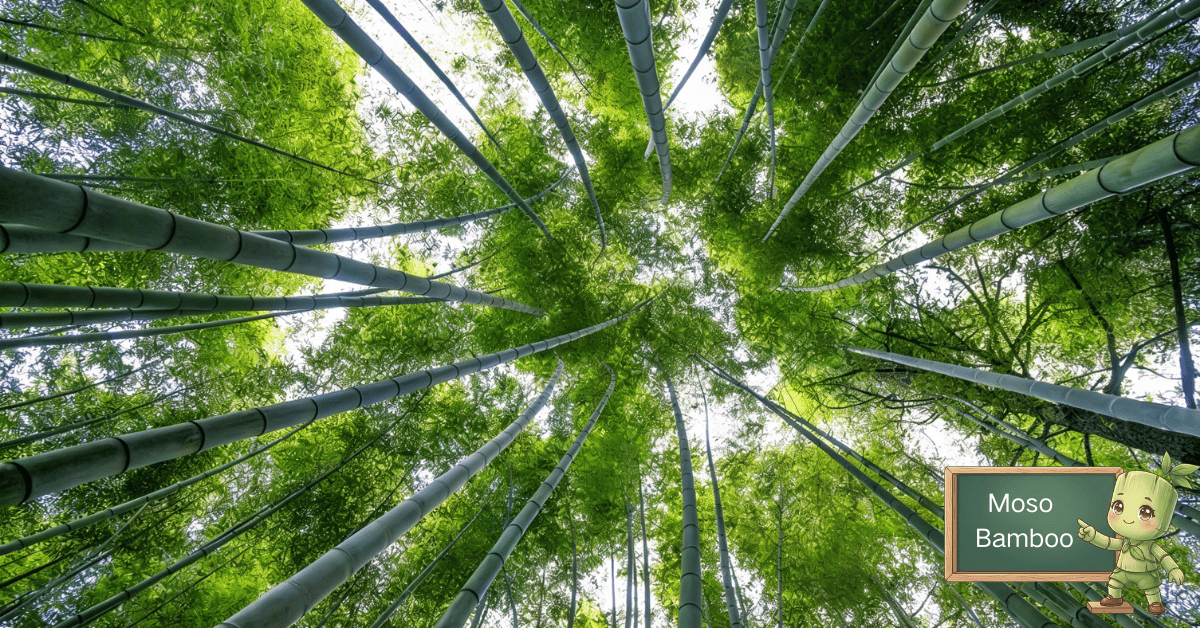
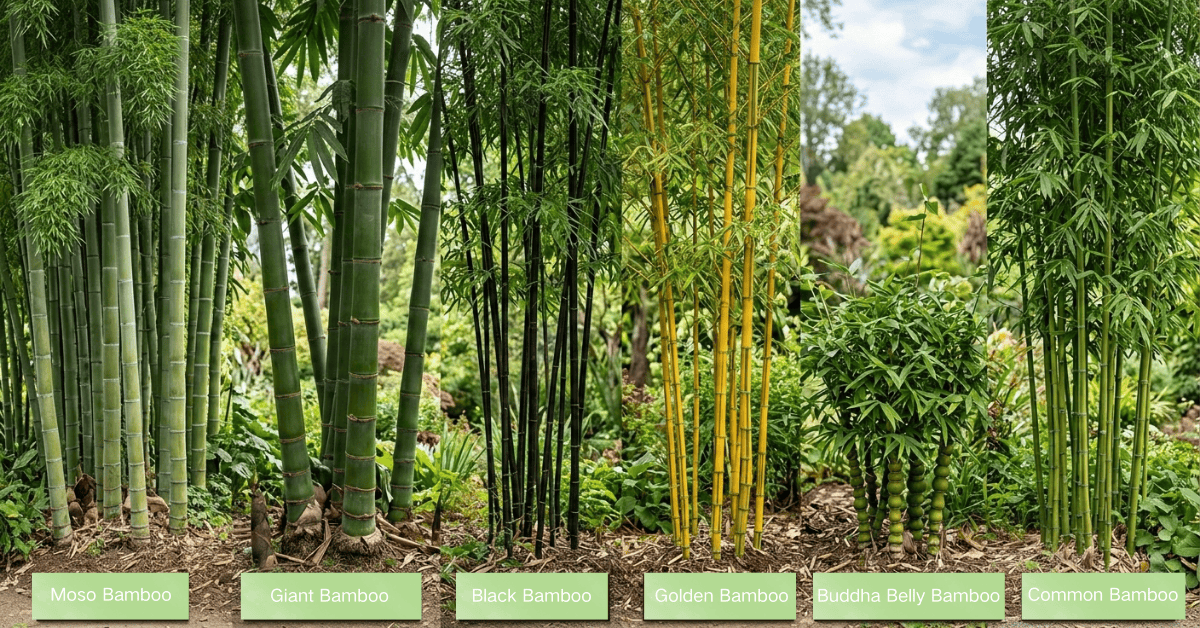
1. Moso Bamboo (Phyllostachys edulis) – The Industry Powerhouse
Why it matters: This is the global standard for commercial bamboo.
Business Value:
Moso bamboo offers the best balance of tensile strength, fiber density, and harvest cycle. It is the core material for 90% of high-quality bamboo flooring, cutting boards, and structural skewers.What this means for you:
If you are sourcing products, Moso is your baseline for quality. Its rapid growth (harvestable in 3-5 years) makes it the most sustainable and economically viable option for mass production.Pro Tip:
Look for Moso when you need supply chain consistency and structural reliability.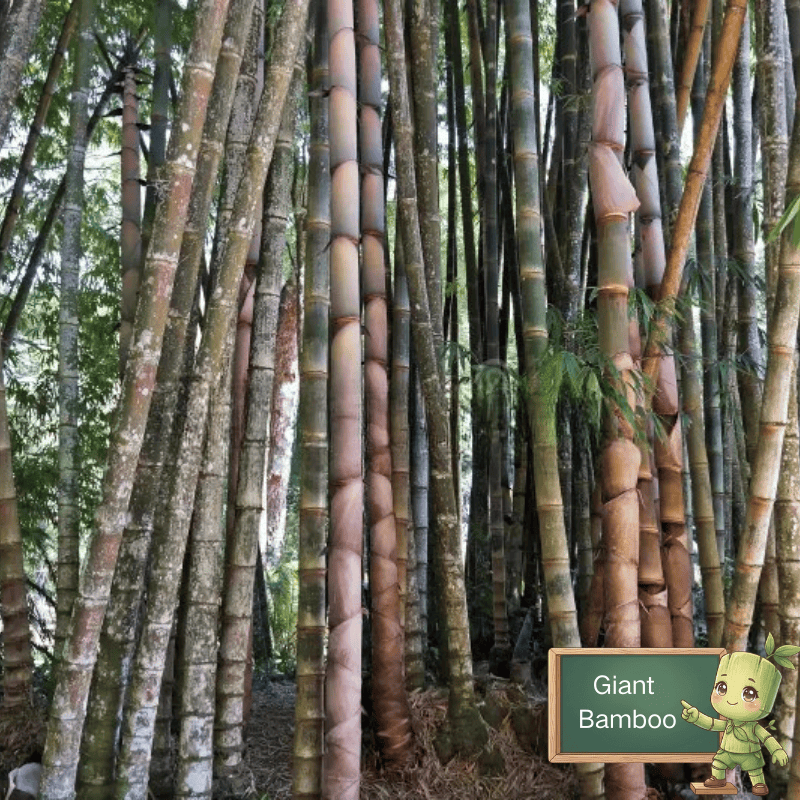
2. Giant Bamboo (Dendrocalamus giganteus) – The Structural Alternative
Why it matters: It is the largest bamboo species on the planet.
Business Value:
With culm diameters over 30cm and massive wall thickness, this is the "steel" of the plant world.What this means for you:
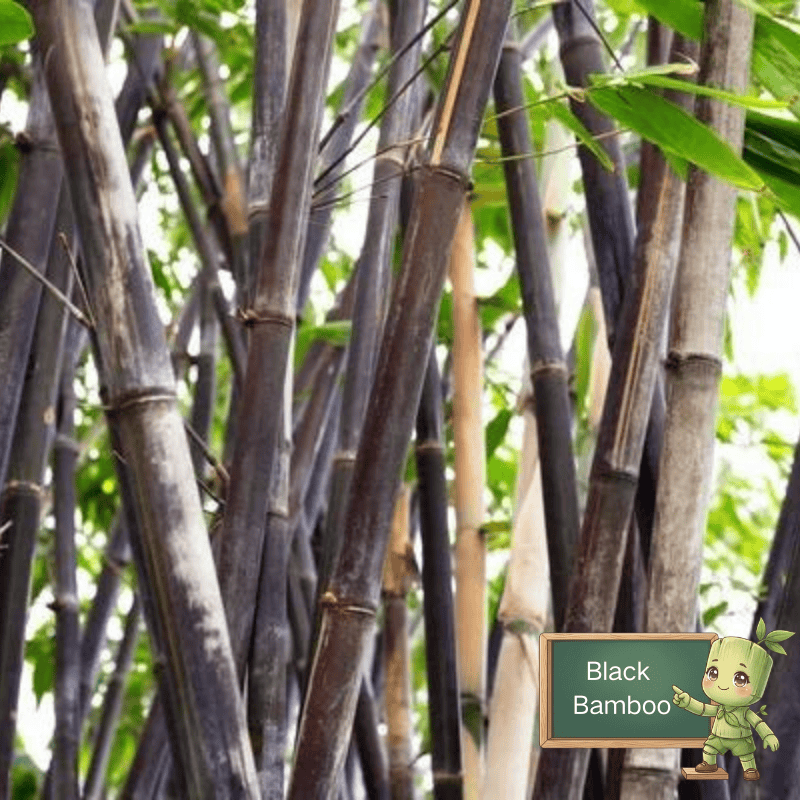
This species is for heavy-duty structural projects—scaffolding, building frameworks, or large-scale support columns. It is an excellent, eco-friendly alternative to timber or metal in tropical construction.3. Black Bamboo (Phyllostachys nigra) – The Premium Design Element
Why it matters: It provides a unique, naturally occurring jet-black finish.
Business Value:
In high-end design, color is currency. Black bamboo offers a sophisticated, modern aesthetic that synthetic materials can't replicate.What this means for you:
If your business is in luxury interior design or high-end landscaping, Black Bamboo provides an aesthetic premium. It is a "value-add" species that allows for higher product pricing.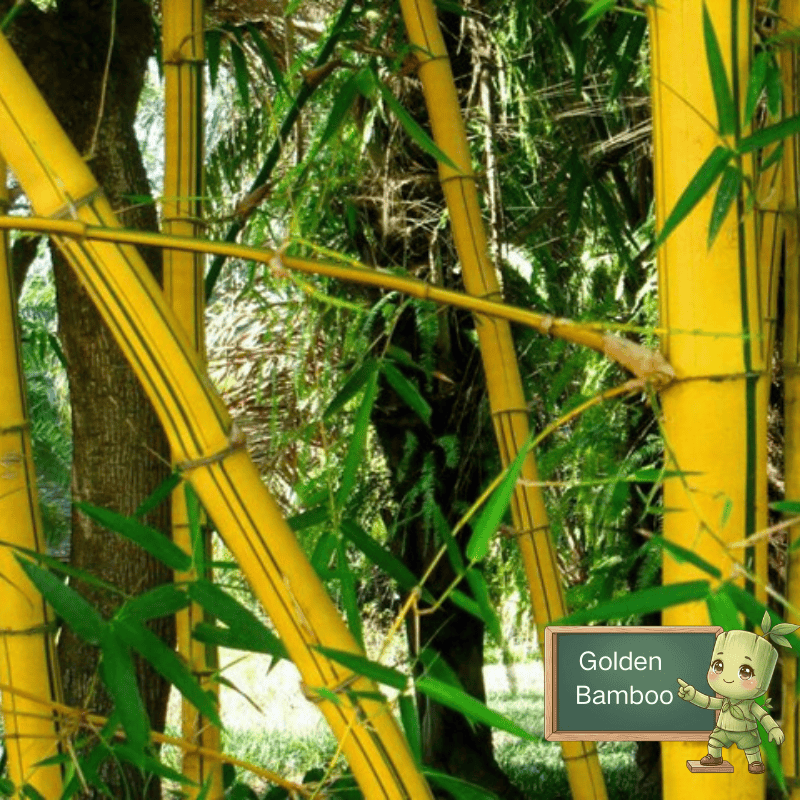
4. Golden Bamboo (Phyllostachys aurea) – The "Reliable" Workhorse
Why it matters: It is widely considered the most adaptable species on the market.
Business Value:
It thrives in cold climates, hot climates, and various soil conditions. It is the " Honda Civic" of bamboo—it just works.What this means for you:
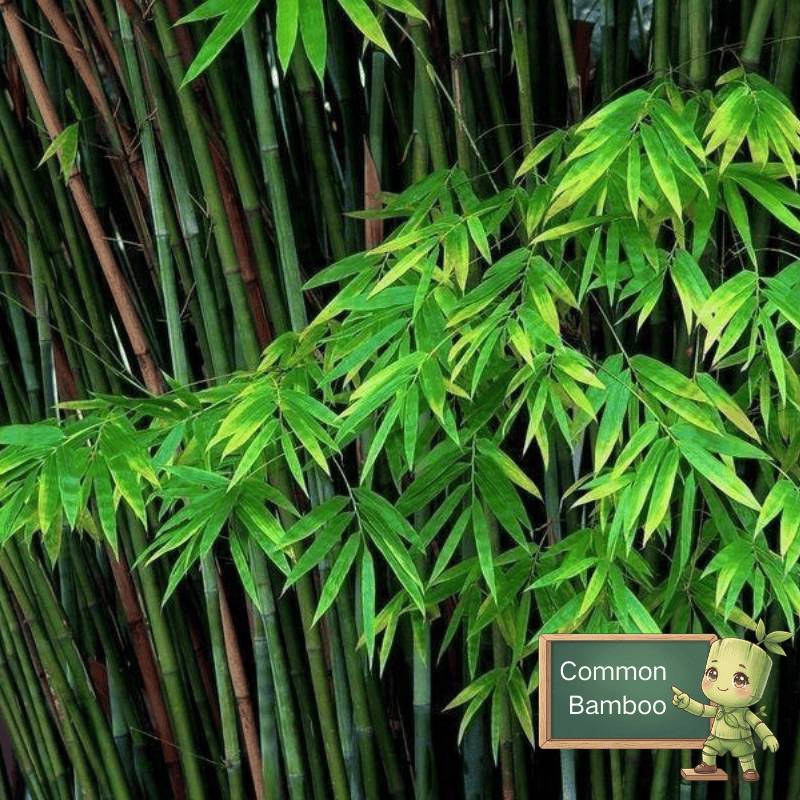
If you are managing large-scale landscaping projects where maintenance budgets are limited, Golden Bamboo is your safest bet. It establishes quickly, survives neglect, and provides consistent year-round coverage.5. Common Bamboo (Bambusa vulgaris) – The Tropical Utility Player
Why it matters: It is the most widespread, versatile species in tropical regions.
Business Value:
It is lightweight, flexible, and extremely fast-growing.What this means for you:
This is your go-to for small-scale utility. From fencing and garden stakes to light furniture and basket weaving, it is the most cost-effective solution for tropical-based supply chains. It’s not for heavy construction, but for everyday utility, it is unbeatable.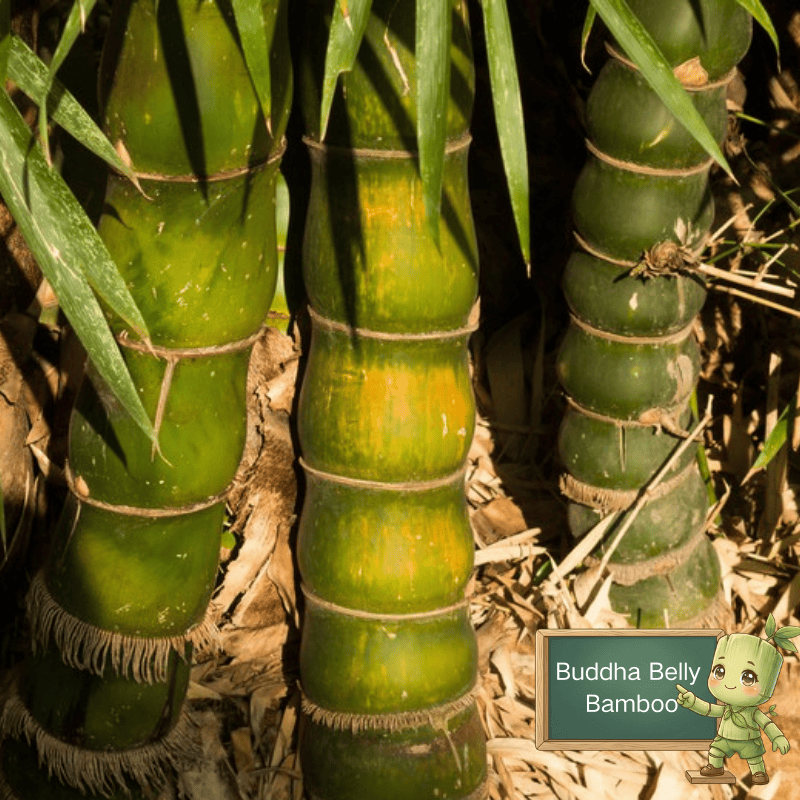
6. Buddha Belly Bamboo (Bambusa ventricosa) – The Niche Ornamental
Why it matters: It offers a unique, visually distinctive growth pattern when "stressed."
Business Value:
This is a high-value, small-batch product. By controlling water and container space, you can induce the famous "swollen" nodes.What this means for you:
This species is for specialized nursery markets or premium gift items. It's not a mass-market construction material; it's a living art piece that commands a higher price per unit due to its ornamental value.Quick Reference: Which Bamboo Should You Choose?
| Goal | Recommended Species |
| Mass Production / High Strength | Moso Bamboo |
| Structural / Heavy Construction | Giant Bamboo |
| Luxury Aesthetic / Design | Black Bamboo |
Budget-Friendly / Landscaping | Golden Bamboo |
Everyday Utility / Light DIY | Common Bamboo |
High-Value Ornamental / Gifts | Buddha Belly Bamboo |
Ready to elevate your bamboo sourcing?
At QL, we don't just process bamboo—we manage it. With 666 hectares of self-owned bamboo forests, we ensure total control over our supply chain, from the raw material in the soil to the final product in your hands. This means consistent quality, stable pricing, and no middleman markup for your projects.
Don't leave your material quality to chance. Contact us to get a quote direct from the source and ensure your kitchen, construction project, or retail line is built on the most reliable bamboo available.